
Empowering Survivors: My Journey into Cancer Exercise
Empowering Survivors: My Journey into Cancer Exercise
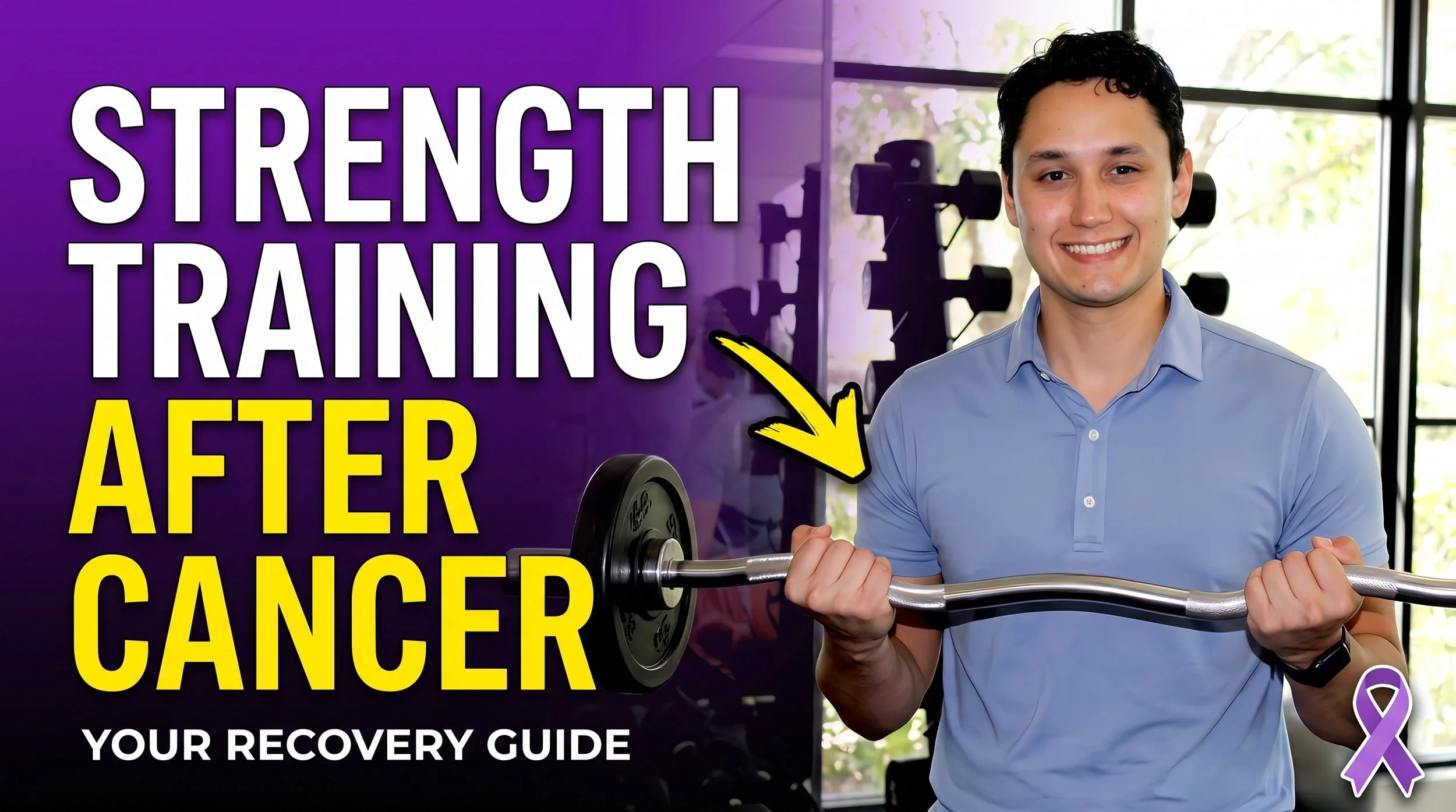
In the journey of overcoming cancer, exercise emerges as a powerful ally for survivors, not just in rebuilding strength but in reclaiming a sense of normalcy. In this blog post, we delve into the insights shared by JC, a clinical exercise physiologist and cancer exercise specialist, who passionately helps cancer survivors navigate their fitness journey.
Understanding the Need for Specialized Support
JC’s journey into exercise physiology began with a desire to help individuals improve their health and fitness. He recognized a significant gap in the support available for cancer survivors, who often struggle with the physical and emotional toll of their diagnosis and treatment. Unlike typical fitness enthusiasts, cancer survivors face unique challenges that require specialized guidance and understanding.
The Unique Motivation of Cancer Survivors
One of the standout points JC emphasizes is the distinct motivation cancer survivors have toward exercise. Many survivors seek a sense of control over their lives post-diagnosis, which often translates into a commitment to healthier living. JC notes, "the drive motivation for exercising is not the same" for cancer patients because the experience of cancer can lead to an intense desire to regain control, making exercise a pivotal part of their healing process.
Creating Safe Spaces for Exercise
Throughout his career, JC has encountered numerous patients who share their struggles with mainstream fitness programs. He recalls hearing stories of individuals feeling out of place, facing injuries, or dealing with instructors who lack the knowledge to accommodate their needs. This insight fueled his passion to create a supportive environment tailored specifically for cancer survivors. He acknowledges the gaps in available resources, stating, "there's just no solution for them other than creating a space and having a dedicated person to help them."
Real-Life Transformations
JC's dedication is exemplified in the success stories of his clients. One individual, initially unable to attend church due to health concerns, regained the strength to participate in community activities after months of personalized training. Another client, whose compromised immune system prevented him from visiting his grandchildren, found hope through a structured exercise and nutrition plan that improved his health significantly. These stories highlight the profound impact that tailored exercise programs can have on the lives of cancer survivors.
Exercise as a Vehicle for Life
For JC, exercise transcends physical fitness; it represents a means to achieve personal goals and reclaim life’s joys. He states, "I view exercise as a vehicle to help you reach whatever is meaningful to you." Whether it’s attending family gatherings, engaging in community service, or simply enjoying day-to-day activities, exercise provides the necessary foundation for cancer survivors to rebuild their lives.
Conclusion: Key Takeaways
The journey of a cancer survivor is fraught with challenges, but exercise can serve as a beacon of hope and recovery. JC's experience underscores the importance of offering tailored support, creating safe spaces, and recognizing the unique motivations of cancer survivors. Ultimately, exercise is not merely a physical activity; it’s a transformative journey that empowers individuals to reclaim their lives and well-being.
Tags: #CancerSurvivor #ExercisePhysiology #HealthAndWellness #FitnessJourney #PatientSupport #WellnessAdvocate #CancerRecovery #PersonalTraining #HealthyLiving

In this episode, JC, a clinical exercise physiologist and cancer exercise specialist, breaks down if fasting actually helps starve cancer.