
The Truth About Losing Fat After Cancer: A Guide for Survivors
The Truth About Losing Fat After Cancer: A Guide for Survivors
Learn 5 crucial strategies for losing fat after cancer treatment. Discover the importance of building muscle, managing weight fluctuations, and maintaining healthy habits.
After cancer treatment, many survivors face the challenge of losing fat while rebuilding their health. It's common to wonder how to navigate weight management after such a significant life event.
In this post, we’ll explore essential strategies that will help you lose fat effectively while focusing on your overall well-being.
Understanding the Challenges of Losing Fat After Cancer
Losing fat after cancer treatment requires a different approach compared to traditional weight loss. Many survivors mistakenly focus solely on weight loss rather than fat loss, which can lead to frustration. It’s crucial to understand that your body has undergone significant changes during treatment, and patience is key.
The Importance of Building Muscle
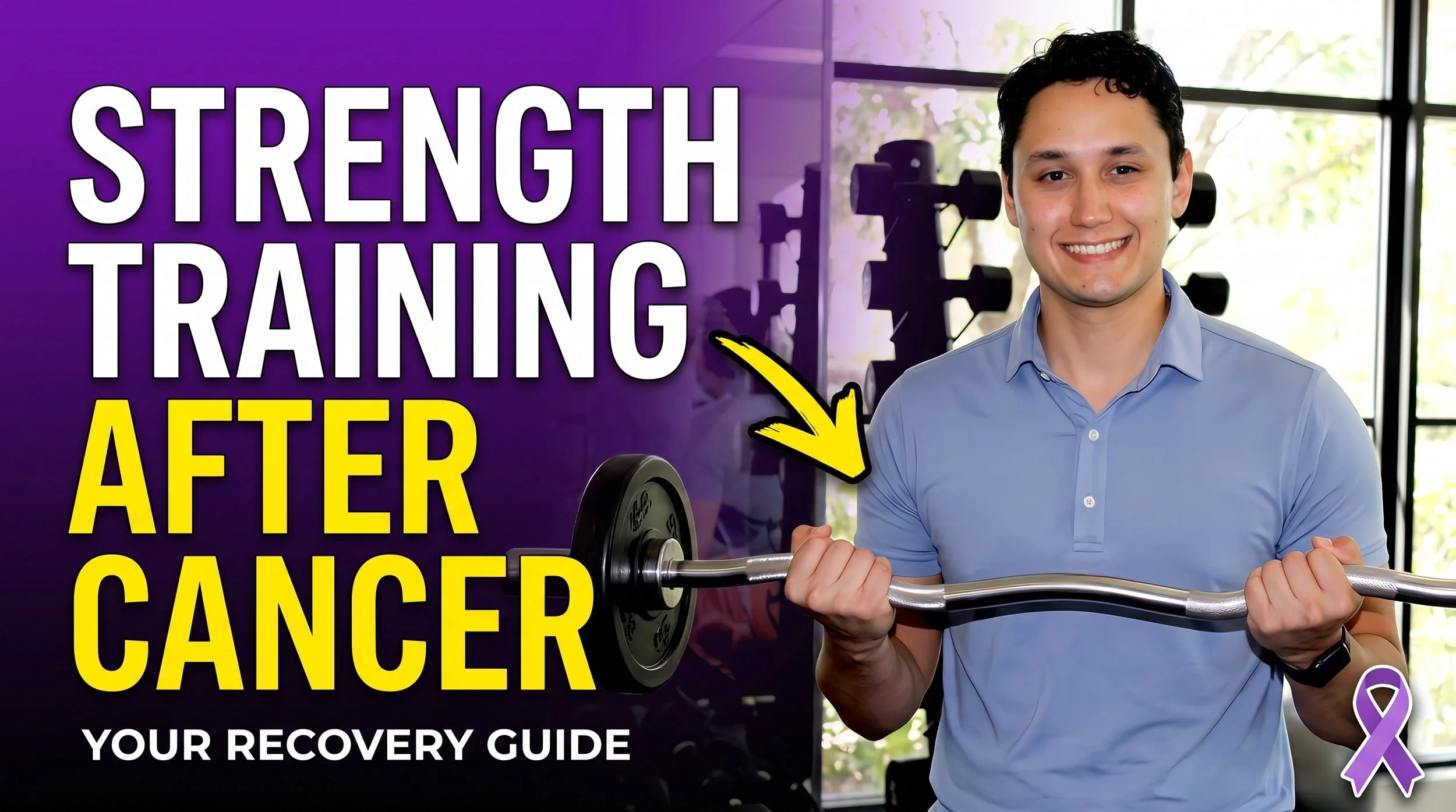
- Why It Matters: Building muscle is vital for boosting your metabolism and improving your overall strength.
- How to Do It: Engage in resistance training exercises at least two to three times a week. Work with a physical therapist or a certified trainer who understands your unique needs.
- Example: Many cancer survivors have found that starting with lighter weights and gradually increasing intensity helps them regain strength without overwhelming their bodies.
- Common Mistake: Trying to lose weight while still in treatment can be detrimental. Focus on maintaining or building muscle instead.
Weight can fluctuate significantly after treatment, and it's essential to track these changes appropriately.
Tips for Effective Tracking
- Daily Weigh-Ins: Weigh yourself at the same time each day to monitor your baseline body weight accurately. Early morning after using the restroom is ideal.
- Focus on Dry Weight: Ensure you’re measuring your weight before hydrating to avoid water weight fluctuations.
- Understanding Normal Fluctuations: It’s normal for your weight to go up and down due to various factors such as water retention, dietary changes, and exercise routines. Don’t let these fluctuations discourage you.
The Caloric Deficit and Fat Loss
To lose fat, you need to maintain a caloric deficit, which means consuming fewer calories than your body burns.
How to Achieve this Safely
- Balanced Diet: Focus on a balanced diet rich in fruits, vegetables, lean proteins, and whole grains. Avoid drastic diets that eliminate entire food groups.
- Exercise Regularly: Incorporate cardio and strength training into your routine. Aim for at least 150 minutes of moderate exercise each week.
- Maintain Consistency: Aim for a weight loss of about 0.25 to 2 pounds per week. This gradual approach is more sustainable and healthier than quick fixes.
Lastly, it’s essential to cultivate a healthy mindset towards weight loss and body image.
Key Mental Strategies
- Focus on What You Can Control: Concentrate on your nutrition, exercise, and sleep, rather than fixating on the scale.
- Be Patient: Understand that fat loss takes time, especially after treatment. It’s normal for progress to be slow.
- Celebrate Small Wins: Acknowledge improvements in your energy levels, strength, and overall well-being, even if the scale doesn’t reflect it immediately.
In summary, losing fat after cancer treatment involves a combination of building muscle, managing weight fluctuations, and maintaining a positive mindset. Remember, focus on sustainable habits rather than quick fixes. For more tailored advice, consider reaching out to a healthcare professional or a nutritionist specializing in post-cancer recovery.
Frequently Asked Questions
What diet should I follow after cancer treatment?
Focus on a balanced diet rich in whole foods, lean proteins, and healthy fats. Avoid extreme dieting methods.
How can I manage weight fluctuations?
Track your weight daily at the same time and focus on understanding that fluctuations are normal after treatment.
Is exercise important during recovery?
Yes, regular exercise is crucial for rebuilding strength and supporting fat loss. Aim for both cardio and resistance training.

In this episode, JC, a clinical exercise physiologist and cancer exercise specialist, breaks down if fasting actually helps starve cancer.