
Overcoming Exercise Fears
Overcoming Exercise Fears: A Guide for Cancer Survivors
Navigating the journey of cancer treatment can be overwhelming, especially when it comes to exercising. Fear of injury or exacerbating health issues often deters survivors from engaging in physical activity. In this blog post, we’ll explore common fears surrounding exercise for cancer survivors and provide actionable strategies to overcome these concerns, ensuring you can safely embrace fitness on your healing journey.
Understanding Your Fears:
Every cancer survivor has valid fears when it comes to exercising. JC, a clinical exercise physiologist and cancer exercise specialist, emphasizes that many survivors worry about injuring surgical sites or damaging medical devices like ports. These fears are common and understandable, stemming from the trauma experienced during treatment. JC reassures us that acknowledging these fears is the first step towards overcoming them.
The Myth of Exercise Spreading Cancer:
One of the most significant myths that JC addresses is the fear that exercise can spread cancer. In reality, research shows that exercise can actually reduce the risk of cancer recurrence and metastasis. Regular physical activity strengthens the immune system and may even help target cancer cells more effectively. Knowing that exercise can serve as a powerful tool in your treatment can empower survivors to take control of their health.
Exercising with Medical Devices:
Cancer survivors often express concern about exercising with ports or other medical devices. JC clarifies that there is no evidence to suggest that exercise can damage these devices. In fact, many modern ports are designed to withstand normal physical activity. If you’re feeling anxious, JC suggests focusing on lighter exercises or movements that don’t directly engage the area where the port is located, allowing you to build confidence while ensuring safety.
Post-Surgery Exercise Guidelines:
Another common fear is the belief that lifting heavy weights is off-limits after surgery. JC explains that this restriction primarily applies during the initial healing phase. Once cleared by a surgeon, survivors can gradually return to their previous exercise routines, including lifting weights. Avoiding movement can lead to complications such as stiffness and decreased mobility, making it essential to engage in safe exercise as soon as possible.
Practical Steps to Get Started:
For those hesitant to dive into a full exercise routine, JC recommends starting with simple activities. Walking is an excellent form of exercise that can be done almost anywhere and is safe for nearly everyone. Gradually incorporating stretching and mobility exercises provides immediate benefits and can help ease anxiety about working out. JC also suggests working with a physical therapist if you’ve recently undergone surgery and need guidance before starting an exercise program.
Conclusion:
In summary, overcoming the fear of exercise as a cancer survivor is a journey that requires patience and support. By understanding the myths surrounding exercise, recognizing the safety of working out with medical devices, and gradually incorporating physical activity into your routine, you can reclaim your strength and well-being. Remember, your fears are valid, but with the right guidance, you can confidently embrace exercise as a vital part of your cancer recovery.
Key Takeaways:
- Acknowledge your fears about exercising as a cancer survivor; they are normal and valid.
- Exercise can actually reduce the risk of cancer recurrence and support your immune system.
- It is safe to exercise with medical devices like ports; consult your healthcare provider for guidance.
- Gradual integration of physical activity, starting with walking and stretching, can help build confidence.
Key Words: cancer survivorship, exercise for cancer survivors, overcoming exercise fears, fitness after cancer, safe exercise, cancer recovery, health and wellness for survivors.
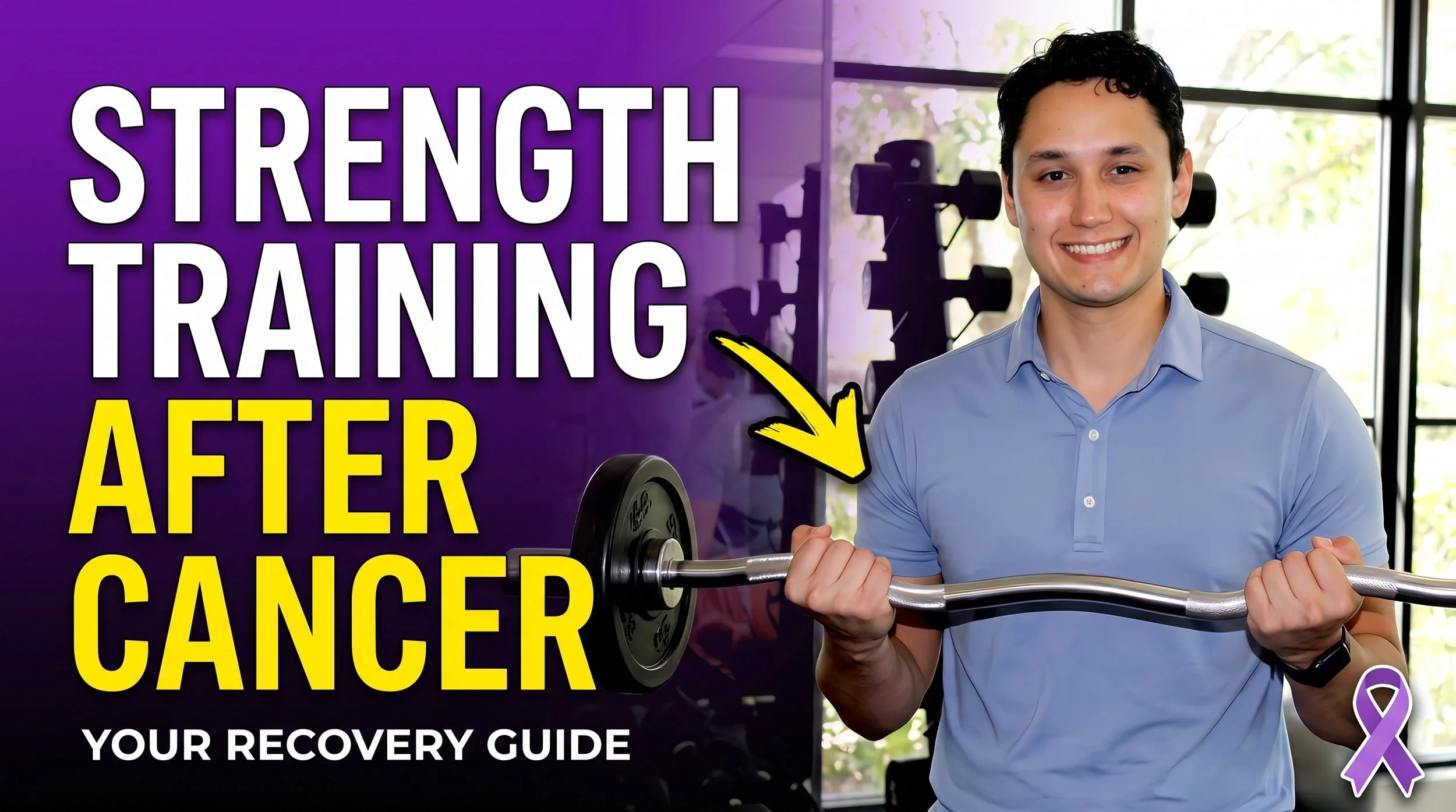

In this episode, JC, a clinical exercise physiologist and cancer exercise specialist, breaks down if fasting actually helps starve cancer.