
Is Creatine Safe For cancer Survivors
What Is Creatine and How Does It Work?
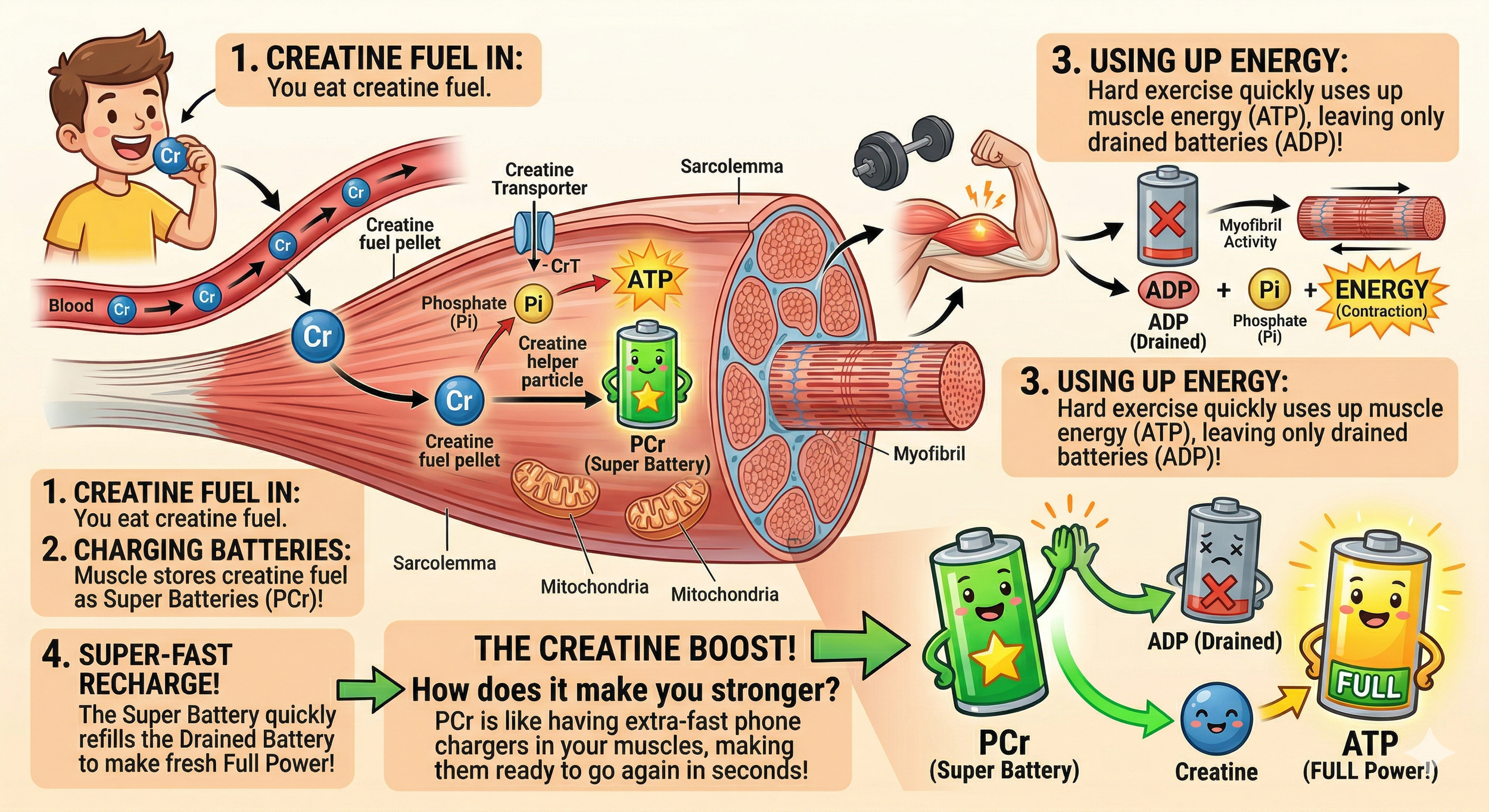
Creatine is a compound that your body naturally produces and is stored in your muscles. It serves as a quick energy source, particularly during high-intensity activities. Although we obtain some creatine from our diet, particularly from meat and fish, the amounts are often insufficient for optimal muscle performance. This is where supplementation comes into play.
Creatine acts like a small bank account of energy, providing immediate fuel during short bursts of activity, such as lifting weights or sprinting. However, it’s important to understand how much creatine your body truly needs. Research indicates that approximately 2-3 grams of creatine daily is sufficient for most people.
The Benefits of Creatine for Cancer Survivors
Research on creatine and cancer survivors is still emerging, but some studies suggest potential benefits, especially for those with common cancer types. Here are a few possible advantages:
- Muscle Mass and Strength: Creatine supplementation may help cancer survivors regain muscle mass and strength lost during treatment. This is particularly relevant for individuals recovering from surgeries or chemotherapy.
- Energy Levels: Some users report improved energy levels during workouts, which can enhance overall quality of life.
- Brain Health: New studies hint that creatine might also support brain health, particularly beneficial for those who have undergone treatments affecting cognitive function.
Safety Considerations and Potential Risks
While creatine is generally recognized as safe, especially when compared to other supplements, its effects on cancer survivors require caution. Here are some key points to consider:
- Limited Research: Although creatine has been extensively studied in the general population, specific research on cancer survivors remains limited. Most studies focus on common cancer types like breast or prostate cancer, and findings may not apply to rarer forms.
- Individual Reactions: Some cancer survivors might experience gastrointestinal discomfort when taking creatine, particularly if they have a sensitive stomach or have undergone abdominal surgeries.
- Consult Your Healthcare Provider: It’s crucial to discuss any supplementation with your healthcare team, especially considering the diverse nature of cancer types and treatments.
In summary, while creatine can offer potential benefits for cancer survivors, such as increased muscle mass and energy levels, there are important safety considerations. Limited research means that individual experiences can vary widely. Therefore, consulting with a healthcare provider is essential before beginning any supplementation regimen.
Click here to consult with me to know whether creatine is right for you
Key Takeaways
- Creatine can support muscle recovery and energy in cancer survivors but has limited research specific to this group.
- Discuss with a healthcare professional to ensure it's appropriate for your situation.
- Monitor your body’s response to creatine, especially if you have a sensitive stomach or past digestive issues.
If you are looking to build muscle and gain strength I have a free 12 week workout plan designed to help you gain muscle and build strength after cancer.


In this episode, JC, a clinical exercise physiologist and cancer exercise specialist, breaks down why you should not lose weight during cancer treatment