
Can You Exercise During Cancer Treatment?
Yes!
You can exercise during cancer treatment.
Exercise is safe during cancer treatment, as long as you follow the safety guidelines below or work with a cancer exercise specialist.
Here’s what you need to know:
Exercise is Safe During Cancer Treatment
The best time to start exercising is during cancer treatment.
The second-best time is when you are mentally ready.
Exercise will help you:
feel stronger
build muscle
reduce your risk of a second cancer
reduce your risk of metastasis
have more energy
return to work quicker
The American College of Sports Medicine recommends that cancer survivors during treatment get:
150 minutes of moderate-intensity cardio a week—this could be walking, swimming, jogging, dancing, etc.
2 Days of weight lifting — with resistance bands, body weight, machines, or dumbbells, etc.
WANT MY FREE WORKOUT PLAN? CLICK HERE
Safety Guidelines to Follow During Cancer Treatment
You still need to follow safety guidelines.
Start with the 10-minute rule: Give yourself a 10-minute walk to test how your body feels. If you feel better, continue with your workout. If you feel worse, stop and try again later. Click here to know when to push yourself and when to rest.
Know the exercises to avoid if you have a chemo port. Click here to learn more.
Stay within your doctor's guidelines after surgery. Read this if you’ve had your lymph nodes removed. How to exercise if you’ve had lymph nodes removed
Stay Hydrated: Drink plenty of fluids. If your pee is dark yellow, you are dehydrated.
Work with a Cancer Exercise Specialist. Click here to work with me.
Your Exercise Plan Changes as you go through treatment
You should exercise in every stage of cancer treatment.
But how you exercise changes.
A. If you are getting surgery, your exercise plan should include:
Prehabilitation — Preparing you for surgery
Rehabilitation — Restoring you after surgery.
During the Prehabilitation phase, you need to strengthen your core.
Here are the best core exercises after cancer.
After surgery, walk daily to reduce the risk of blood clots.
Keep your wounds clean.
Work with a physical therapist to help you restore your function.
B. If you are getting chemo, your exercise plan should include:
Cardio to help you reduce the risk of heart toxicity from chemo.
Strength training to maintain strength and increase muscle.
C. If you are getting radiation, your exercise plan should include:
Daily stretches to reduce stiffness from radiation.
Lymphedema prevention/ management plan.
Radiation increases your risk of both fibrosis and lymphedema.
If you already developed lymphedema, here’s how to manage it.
If you are at risk of lymphedema, know that weight lifting is still safe and strongly recommended.
You can get better and feel stronger with Exercise
If you exercise during colorectal cancer treatment you can have more energy.
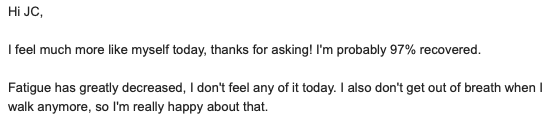
Exercising during ovarian cancer treatment can help you build muscle and lose fat.

If you exercise after lymphedema your arms and legs can get back to ‘almost’ normal.
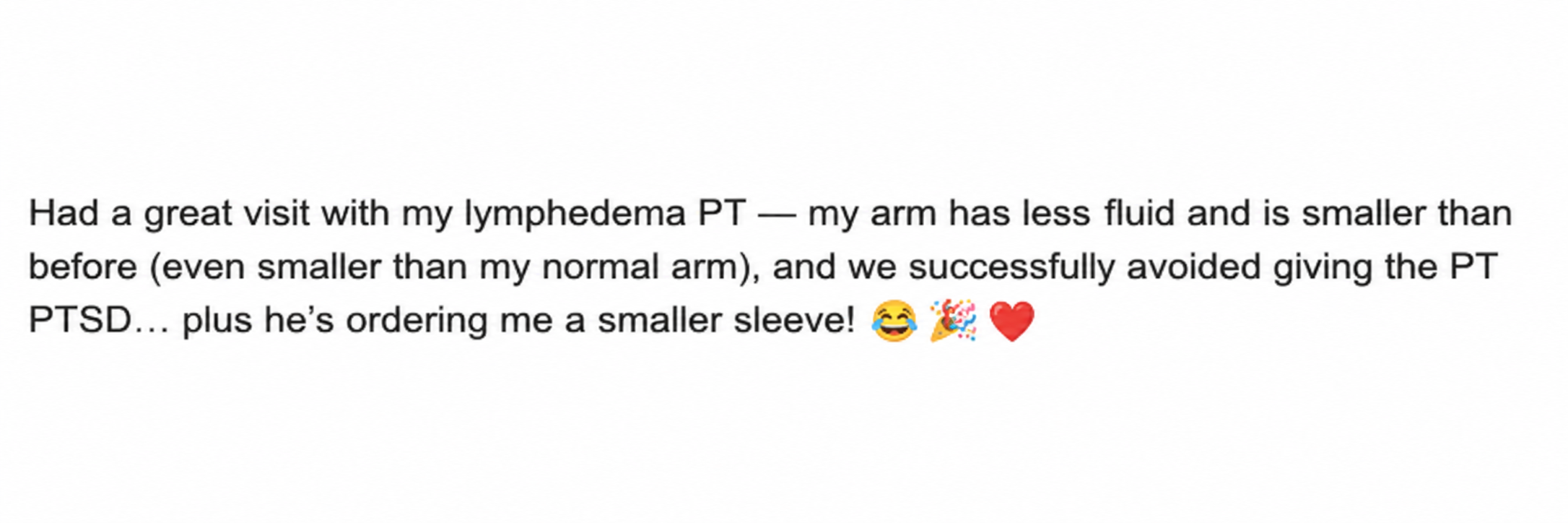
If you hate how your body looks and feels after cancer and want to make a difference, then exercise is the answer.
But before you jump on the first exercise program you see from your favorite fitness influencer, know this.
What Most People Get Wrong about exercise and how to fix it
Most workout plans are not created for cancer survivors.
They do not take into account:
the fatigue
neuropathy
lymphedema
nausea
other cancer side effects your are experiencing
So many times they can make how you feel worse.
2. They are not made with safety considerations in mind.
So many cancer survivors either get hurt or leave with more pain.
3. Group classes are designed to make you more tired not energized.
So if you are exhausted, feel discouraged, or left behind, know that it is not your fault.
The class was just not built for you.
That’s why the most important thing you can do is:
Start by slowly rebuilding your strength
Train your body in ways that help you feel better.
Watch the video below to learn how to rebuild your strength after cancer.



Hey! I'm JC 🤓
The most annoying thing after cancer is having everyone and their grandma try to sell you something.
So I promise you two things:
My Blogs will be free.
Without any ads.
And to top it off, I also created a free workout plan to help you exercise after cancer, which you can get below.

Can you exercise during cancer treatment?