
Cancer Fatigue: I Don’t Have the Energy to Exercise

Click on the image to know the top 3 habits to increase your energy.
Unlike regular tiredness, Cancer-related fatigue (CRF) doesn’t go away with sleep.
However, research shows that exercise can help manage and reduce cancer fatigue.
but how do you know when to push through and when to rest?
Answer: Listen to your body, not your mind.
In this guide you will learn when to push through the cancer fatigue and when to rest.
As well some some practical strategies for managing energy levels throughout your day.
Understanding Cancer Fatigue
Cancer related fatigue is different from everyday fatigue.
different from everyday fatigue becuase:
it accumulates over time with cancer treatment
it is both physical, emotional, and mental fatigue
It often feels like:
✅ Overwhelming exhaustion that rest doesn’t relieve
✅ Weakness or heaviness in muscles
✅ Mental fog or difficulty concentrating
✅ Low motivation even for activities you enjoy
The key to managing cancer fatigue is to find the right balance
between rest and movement.
Disclaimer: If cancer fatigue is so severe you can barely get out of bed. Focus on what you can control and master the basics of nutrition & hydration.
While adequate sleep doesn’t reduce fatigue, getting enough quality sleep is still important to reduce inflammation, increase your natural cancer killer cells, and promote autophagy.
Here are 25 ways to improve your sleep after cancer and my top 3 must haves for better sleep.
Black out curtains — I recommend getting them in a dark color.
Eye mask — Getting something comfortable is key
Melatonin & Magnesium supplementation 1 hour before bed — make sure it is 3rd party tested and you are cleared by your oncologist to take it. Do NOT take supplements without talking to your oncologist first.
Setting up a strong foundation: What to eat When you don’t have the energy to exercise
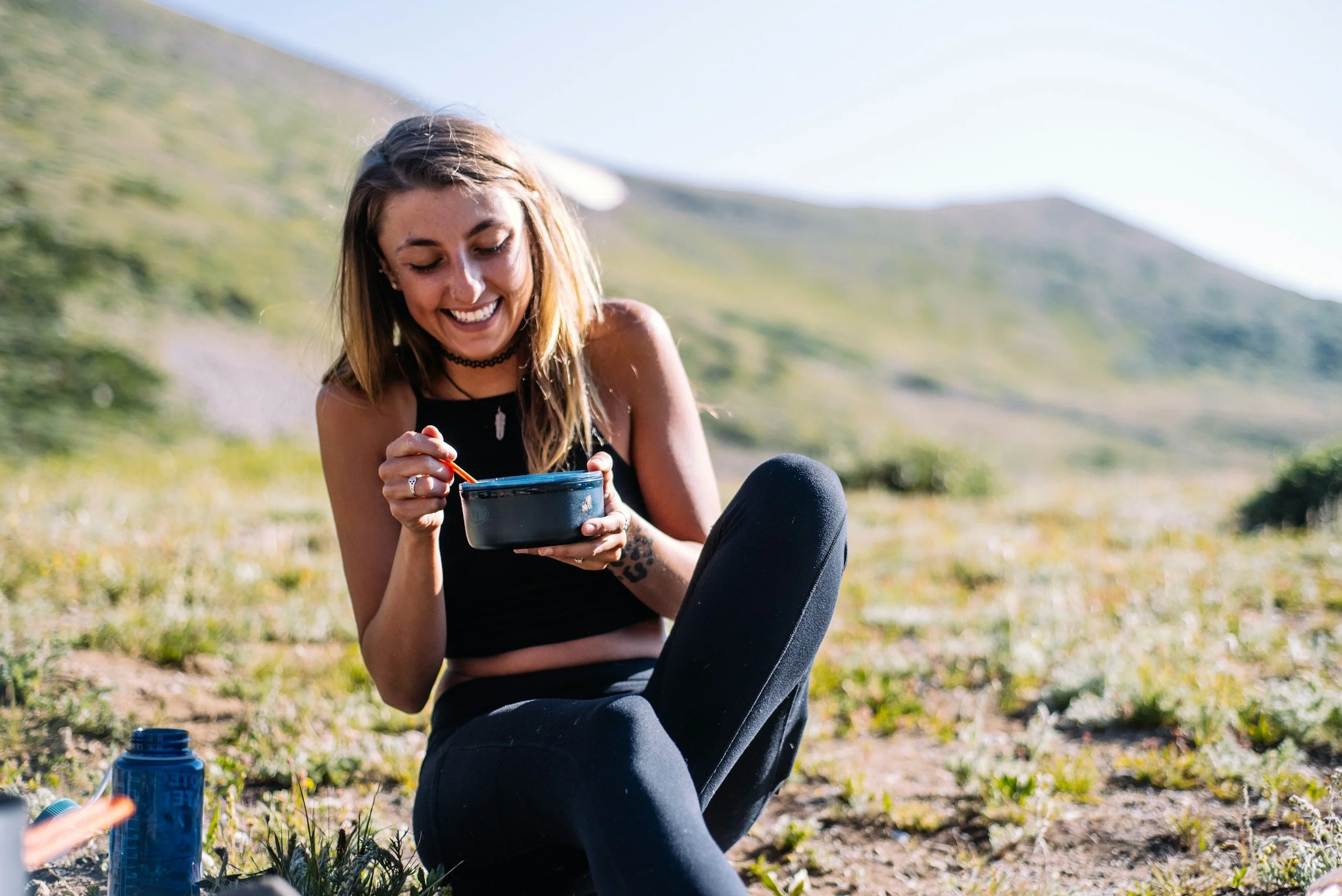
The first step of knowing whether exercise is right for you is
dependent on your nutrition.
Are you getting the proper food to fuel your exercise.
Your Body Needs A Balanced Diet:
Fruits and Vegetables: Aim for a variety of colorful fruits and vegetables. They are rich in vitamins, minerals, and antioxidants that support overall health.
Whole Grains: Incorporate whole grains like brown rice, quinoa, and whole wheat products for fiber and essential nutrients.
Lean Proteins: Choose lean protein sources such as poultry, fish, beans, and tofu. Protein is essential for tissue repair and immune function.
Healthy Fats: Include sources of healthy fats, such as avocados, nuts, seeds, and olive oil.
2. Get processed food worth considering
For example:
High fiber tortillas — 10 g of protein + 28 g of fiber
Protein shakes — 32 g of protein + 3 g of fiber
Greek yogurt — 14 g of protein
3. Prioritize minimally processed food
minimally processed foods are frozen or canned fruit, vegetables, eggs, meat, fish, poultry, and grains.
However keep in mind not all processed food is bad for you. Examples of good processed food is:
olive oil
canned fruits and vegetables
salted nuts
cheese
3. Hydrate Well
Drink plenty of water throughout the day to stay hydrated.
Proper hydration is important for overall health and can help with digestion and energy levels.
what not to eat/drink! if you have cancer fatigue
Limit Ultra Processed Foods
Processed meats: Avoid eating processed meat such as bacon, ham, sausages, salami, pepperoni, corned beef, chorizo, hot dogs, deli meat, chicken nuggets, and beef jerky.
Processed meat is meat that has been salted, cured, fermented, smoked, and/or have added preservatives.
Junk food: Limit ice cream, chips, breakfast cereals, biscuits, fruit-flavored yogurts, instant soups, and microwavable meals.
Sugary drinks: soda/ pop/ floats, juices , and cocktails
Studies have found that a 10% increase in ultra-processed food is associated with a 2% increase in developing cancer
2. Avoid alcohol
Avoid/ limit: whisky, gin, rum, wine, beer, cocktails, any drink with alcohol in it.
Alcohol can increase the risk of developing cancer 12 types of cancer.
Alcohol contains ethanol a known carcinogen that can damage DNA and increase estrogen levels in the body.
When to REST: Signs Your Body Needs a Break
While movement is beneficial, sometimes your body needs time to recover. Here are key signs that you should prioritize rest:
❌ Extreme, unrelenting fatigue – If you feel completely drained and even small movements feel impossible, rest may be the better choice.
❌ Dizziness or lightheadedness – If you feel faint when standing or moving, your body might not be ready for exercise.
❌ Uncontrolled pain – If exercise worsens pain, especially joint or nerve pain from treatment, take a break or opt for gentler movements.
❌ Fever or infection – If you're experiencing fever, nausea, or an active infection, your body needs all its energy for healing—rest is best.
❌ Severe shortness of breath – Mild breathlessness during activity is normal, but if you feel constantly out of breath, pause and consult your doctor.
👉 When in doubt, use the “Talk Test” – If you can’t hold a conversation while moving, you might be overexerting yourself.
If you don’t have the energy to exercise

Here is how I help cancer survivors exercise during and after treatment 👇🏽
During cancer treatment the answer isn’t always to exercise.
There’s a balance between when to exercise and when to rest.
And the 10 minute rule helps with that.
Ironically, most times when you move you will feel better.
But that’s not always the case, and that’s why the 10 minutes rule helps.
1. It helps you overcome the mental barrier of exercise.
2. It’s simple to achieve — you can commit to 5 mins to exercise.
3. It helps you get into the habit of moving more
4. It builds resilience
Every time you show up for yourself (even when you don’t want to or feel like it, you are showing cancer the 🖕)
Getting to exercise when you don’t feel like it is hard, but cancer hates movement.
And as long as you are moving or working towards moving more you are building the mental and physical strength to fight back.
Learn how to boost your energy
When fatigue is stopping you from exercising
It’s time to work with a trained professional.
Cancer is new to you and unknown to most personal trainers, so working with a cancer exercise specialist should be your priority.
As a cancer exercise specialist, when you join my coaching you get:
tips to reduce cancer faitgue
weekly motivation and accountability to help you recover and heal after cancer
ongoing care during and after treatment
weekly simple, safe, and effective movements to reduce cancer fatigue
Cancer fatigue is not something you have to treat on your own.
Many cancer survivors experience fatigue up to 15 years after treatment ends
Don’t wait until it’s too late.
Get help early and get started today


Hey!
Welcome, I'm your trainer JC 🤓
Thanks for stopping by the blog!
You'll find lots of resources on health, fat loss, nutrition, exercise, and cancer prevention.
P.s. don’t forget to grab your free gift below.
Enjoy

